Smart Choices for Lasting Results in Residential and Commercial Painting
As a homeowner or property manager planning a paint refresh, begin by defining scope with clarity. Assess which surfaces truly need attention and document their current condition. Determine whether the work covers living areas, façades, trim, or specialized surfaces. This early scoping drives accurate estimates, reduces rework, and shapes sequencing. It also helps set expectations about access, noise, and time windows, especially when multiple spaces remain occupied during the project.
Next, evaluate materials through durability, environmental profile, and surface compatibility. Verify that primers and topcoats align with substrate type, sheen targets, and expected traffic. Low-emitting products can support indoor air quality while minimizing downtime. Beyond that, discuss washability, stain resistance, and UV stability where sunlight or heavy use is a factor. Matching product lines across rooms or elevations simplifies maintenance and creates a consistent finish over the full lifecycle.
Meanwhile, plan the workflow to minimize disruptions. Stage furniture and fixtures thoughtfully, and protect high-touch areas with clean entry paths. Phase rooms or elevations to keep essential spaces available. For businesses, sequence during off-hours or low-traffic periods to protect revenue. Residential projects benefit from buffered timelines to handle drying, ventilation, and punch items. Clear staging helps crews move efficiently without compromising safety or surface preparation.
In practice, surface prep remains the hidden driver of quality. Inspect for hairline cracks, dents, or peeling and schedule drywall repair before priming. Sanding, caulking, and patching should be validated against manufacturer guidance for adhesion. On exteriors, address chalking, mildew, and substrate movement. Properly cleaned and dried surfaces reduce the risk of blistering or premature wear. Preparation also supports crisp lines, even sheen, and longer intervals before the next repaint cycle.
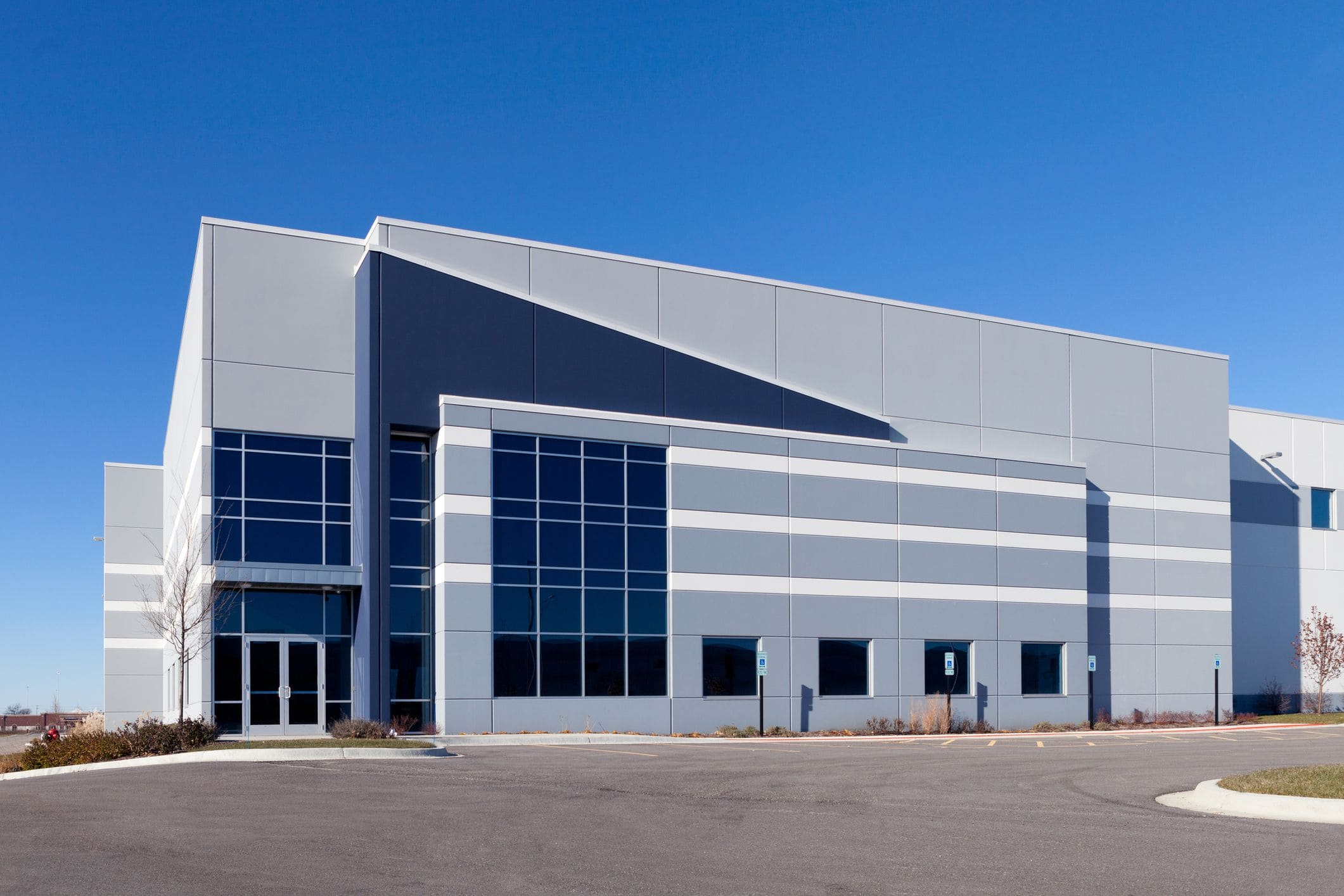
Often, project complexity increases when mixing service categories. Interior painting, exterior painting, and cabinet painting each require distinct prep, tools, and ventilation strategies. Multifamily painting introduces scheduling across units, shared access, and noise considerations. Commercial painting in small retail, office, or churches may require signage, dust control, and security protocols. Align the plan with building operations so routine activities continue safely while work progresses.
Then, consider climate and timing to optimize adhesion and cure. Exterior schedules should account for temperature bands, humidity, and wind exposure. Interior timelines can leverage stable conditions but still benefit from airflow planning. Seasonal windows influence drying rates and production pacing, so buffer the calendar for sudden shifts. A small allowance for weather contingencies protects the finish, particularly on trim and high-exposure façades.
However, budget control depends on shared documentation. Request a written scope that itemizes surfaces, number of coats, included prep, and disposal practices. Clarify exclusions like carpentry beyond minor repairs or specialty coatings. Validate touch-up protocols and warranties in plain language. With a defined baseline, you can compare proposals on equal terms. Transparent communication reduces assumptions and helps prevent later change orders.
Beyond logistics, safety and compliance deserve attention. Confirm ladder and lift practices for tall spaces and egress planning in active corridors. Ventilation plans should address odor control and dust extraction, particularly when sanding cabinets or trim. Lead-safe methods might be required in older structures; ask how crews document containment and cleanup. Proper signage and barriers protect occupants while keeping work zones clearly identified and secure.
Finally, establish a quality pathway from mockups to handoff. Calibrate expectations with sample areas to nail sheen, color, and edge detail before full deployment. Inspect together at key milestones, and document punch lists with photos for clarity. After completion, request maintenance guidance for cleaning and touch-ups. A concise closeout package aids future refreshes, especially when matching colors across rooms or addressing incremental wear in high-traffic zones.
Ultimately, the painter landscape rewards thoughtful planning and steady communication. When you phase work, verify materials, and align scheduling with occupancy, results improve and disruption falls. Whether refreshing living rooms, renewing façades, or tackling offices, the same principles hold: precise scope, reliable prep, and measured workflow. With these habits, your spaces will present cleanly, perform longer, and stay easier to maintain over time.